Maryland’s Data Center Backlash Is Growing. Here’s What Comes Next

By Denise Robbins, CCAN Communications Team

Across Maryland, communities are hitting the brakes on the rapid buildout of massive data centers.

After Anne Arundel County joined the growing list of jurisdictions adopting a temporary moratorium, roughly 90% of Marylanders now live in a county or city with some form of data center ban or pause, according to CCAN Action Fund’s latest tally. The movement now stretches from Western Maryland to the Eastern Shore and across the state’s largest population centers.

Largo, Prince George’s County Data Center Rally on July 1, 2026

And Maryland is not alone. Across the country, opposition to rapid data center expansion is growing as communities confront concerns about electricity demand, utility bills, water use, noise, land use, and environmental impacts. Recent national polling has found a full seven of ten Americans oppose data centers being built in their area. 

Why communities are pressing pause

The scale of the AI boom is difficult to overstate. AI data centers require enormous amounts of electricity, and many also require significant amounts of water for cooling. In the PJM region, which includes Maryland, rapidly rising data center demand is already threatening grid reliability and infrastructure costs, with many fear these costs being passed onto ratepayers. 

Meanwhile, the rules designed to protect ratepayers, water supplies, local communities, and the climate are still catching up.

That is why so many local governments have chosen temporary pauses. Communities need time to understand the consequences and put enforceable safeguards in place.

Governor Moore acted — but Maryland still hasn’t paused

In mid-September, Maryland Governor Wes Moore said he would “absolutely sign” a statewide data center moratorium if it came to his desk. And yet he issued an executive order one week later that included no mention of a moratorium. 

Instead it created a new statewide framework for reviewing large data center projects. The order created a Maryland Data Center Task Force, required greater transparency and stronger criteria around proposed projects, barred state employees from entering certain nondisclosure agreements with developers, and established principles around ratepayer protection, economic benefits, community input, environmental impacts, and accountability.

Baltimore City Data Center Moratorium Rally June 29, 2026.

Those are meaningful reforms, but it’s not enough. On top of ignoring a statewide moratorium, Governor Moore’s order also did not establish a requirement that new data centers operate on 100% clean energy.

How can Maryland continue approving massive new projects while the state is still developing the rules meant to govern them?

The risks don’t stop at electricity and water

Concerns about AI extend far beyond electricity and water. A recent Reuters/Ipsos poll found that 62% of respondents viewed AI as capable of endangering humanity’s future, while leading AI researchers and technology executives have publicly warned that advanced AI could pose catastrophic risks.

Those long-term risks are still being debated. But one thing is already clear: the physical infrastructure powering the AI boom is arriving now, in real communities, with real consequences, and not enough has been done to protect us from those consequences. 

How to Fight Back: Join Marylanders from across the state on November 7

Frederick Amazon Data Center Rally in Adamstown on May 28, 2026

On Saturday, November 7, CCAN and Nature Forward will bring Marylanders together at the Baltimore Convention Center for People Over Data Centers: Maryland Action Summit.

The one-day conference will feature Congressman Jamie Raskin, climate activist and author Bill McKibben, state and local elected officials, environmental-justice leaders, community organizers, and advocates from across Maryland. Panels will cover data center impacts on electricity bills and the grid, water resources, farmland and open space, environmental justice, AI risks, and what stronger statewide safeguards could look like in 2027.

The summit runs from 9:00 AM to 5:00 PM, and a $25 general-admission ticket (or $15 for students) includes morning coffee and lunch. 

The fight against Maryland’s data center boom is already statewide. November 7 is a chance to bring those local fights together, learn from one another, and decide what comes next. Learn more and sign up for the People Over Data Centers: Maryland Action Summit!

We’ve Stopped Pipelines Before, Let’s Do It Again: Join the Fight Against the Dangerous MVP Southgate Extension

We’ve Stopped Pipelines Before, Let’s Do It Again: Join the Fight Against the Dangerous MVP Southgate Extension

By Kidest, CCAN’s Virginia Communications Manager

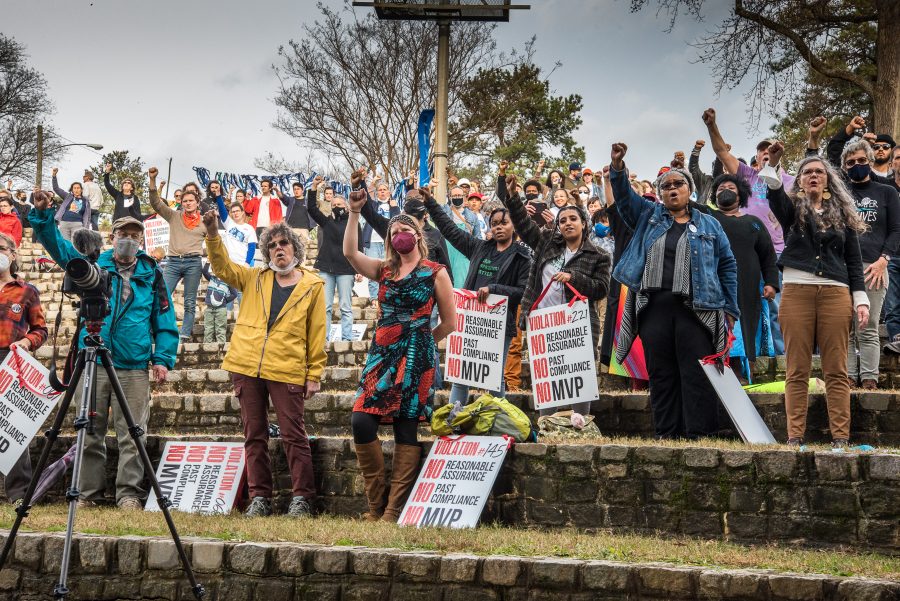
Kidest at MVP Rally in 2021 (second row, third person from right), photo courtesy of Will Kerner Photography

My journey as a Virginia climate activist began as a college intern in the fight against the Atlantic Coast Pipeline, a battle we won, proving that community power can defeat even the most well-funded fossil fuel interests. That victory taught me that Virginians can defeat giant corporations that seek to pollute our communities, and I’ve found my people.

Since then, I’ve witnessed the defeat of the polluting Chickahominy gas plant and stood shoulder-to-shoulder with neighbors as we organized against the Mountain Valley Pipeline (MVP) Southgate extension. When the first permit for Southgate was denied in 2021, it felt like another victory for the people and the planet. But with new natural gas pipelines being proposed across Virginia, the pressure on our communities and environment is only increasing. The fight is far from over, we need to act now – together!

A Dangerous Pipeline, A Bad Deal Repackaged

The MVP Southgate extension is a proposed 31-mile natural gas pipeline that would snake from Pittsylvania County, Virginia, into Rockingham County, North Carolina. The developers claim it’s necessary to meet “growing public need” for natural gas, touting contracts with Duke Energy and PSNC Energy. But as someone who’s seen these justifications before, I know this is not about meeting real community needs, but about locking our region into decades of fossil fuel dependence.

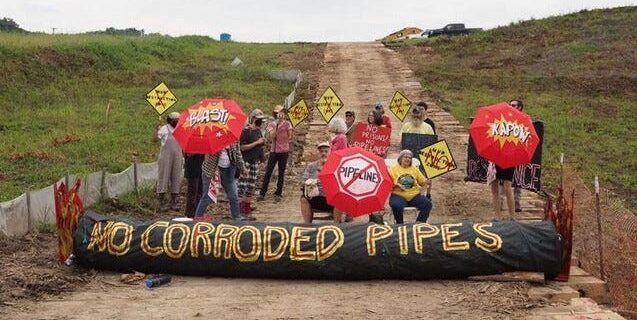
Community Resistance to the MVP on the Pipeline Route, photo courtesy of Appalachians Against Pipelines

Right now, the Southgate extension is undergoing a crucial permit application review, and your voice is needed! The U.S. Army Corps of Engineers has opened a 30-day public comment period, ending May 30, 2025, for MVP Southgate’s request for a Clean Water Act permit. This permit would allow the pipeline to negatively affect our streams and wetlands, which our communities depend on in both Virginia and North Carolina.

Join us in advocating against this dangerous pipeline and submit comments to the US Army Corps of Engineers in opposition to the project using the how to guide here. 

The pipeline’s original plan was even more destructive, spanning 75 miles and requiring a massive compressor station in a predominantly Black community near Chatham, Virginia. In 2021, the Chatham community stood up to oppose the toxic pollutants that would have come from the then-proposed Lambert Compressor Station, leading the Virginia Air Pollution Board to reject an air permit based on environmental justice concerns. This win, however, was sadly short-lived. In 2023, MVP submitted a new project plan that doesn’t include the Lambert Compressor Station. The new plan now has a shorter route and a wider pipe, but these tweaks do not reduce the threat to our communities and our environment. 

MVP’s Track record: Community Harm and Environmental Destruction

MVP’s track record is a warning. Construction of the main pipeline has already destroyed forests, seized private property, and violated water regulations hundreds of times. The MVP Southgate extension brings more concerns about the possibility of repeated environmental violations. Erosion from construction threatens groundwater and private wells, which are vital in our rural communities. Even worse, the risk of pipeline toxic leaks and explosions puts homes and lives in danger within a half-mile of the pipeline route. 

These are not just hypothetical risks. MVP’s mainline has racked up over 350 water quality violations, many affecting rivers and streams that supply drinking water. The pipeline also turns communities, often Black, Indigenous, and low-income, into “sacrifice zones”, bearing the brunt of pollution and health risks from fossil fuel infrastructure. 

People-Powered Organizing & Community Resistance Defeated Southgate Before

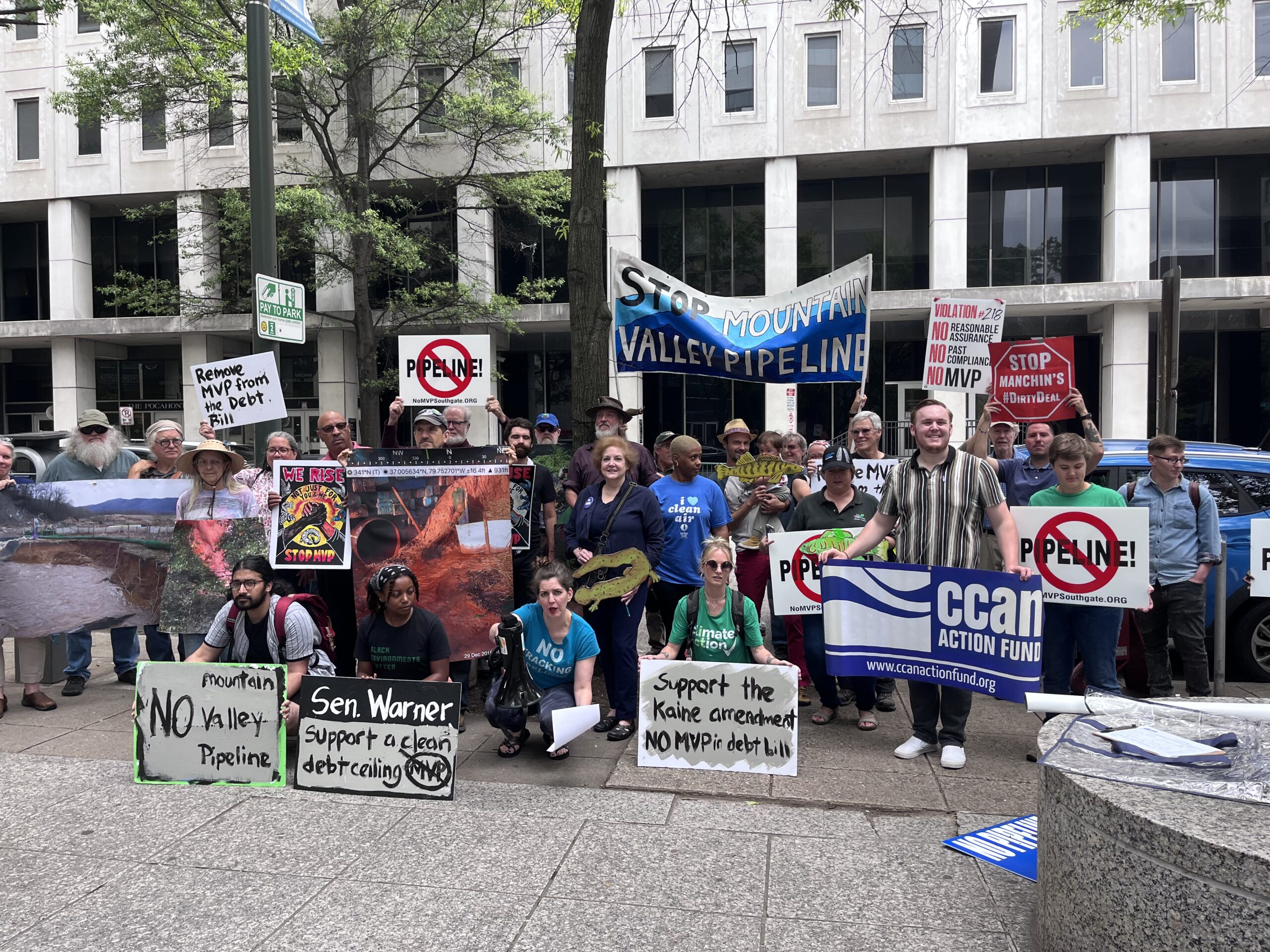
Rally in Richmond to Stop MVP and Manchin’s Dirty Deal June 2023

The denial of the first MVP Southgate extension air permit in 2021 was no accident, it was the result of relentless organizing by Pittsylvania residents and Virginians advocating for healthier communities. Just last month, thousands of Virginians submitted comments to our Federal Energy Regulatory Commission (FERC) opposing the project. In fact, our lawmakers have also recognized MVP’s history of violations and safety issues. 

I’ve seen what’s possible when we come together, we’ve stopped pipelines before, and we can do it again! We have the opportunity to speak out and refuse to let our state become a dumping ground for fossil fuel interests. Your comments will help determine if a public hearing is needed and whether this project serves our communities and the public interest.

Join us and submit a comment to the U.S. Army Corps of Engineers, urging them to deny the Section 404 permit for the MVP Southgate extension. You can access our comment guide here. 

About the author: Kidest is a communications strategist, storyteller, and environmental justice advocate who brings over six years of experience at the intersection of organizing, narrative change, and digital advocacy. She believes creative storytelling is a powerful tool for advancing grassroots movements, shifting public narratives, and influencing policy decisions.

Based in Richmond, Virginia, Kidest has worked alongside local organizations to amplify marginalized voices and advocate for policies that center the needs of Black communities and other historically excluded groups.

Buy Clean Energy For Your Homes and Businesses

Clean Currents

http://www.cleancurrents.com/

Clean Currents is the Mid-Atlantic’s leading independent green energy company supplying clean wind power to over 12,000 residential and commercial customers in Washington, DC, Maryland, and Pennsylvania. Clean Currents offers 50% wind or 100% wind power at rates that are competitive or lower than rates through your local utility.

Ethical Electric

https://ethicalelectric.com/

Ethical Electric is a retail electricity supply company, currently serving residential and commercial customers in Pennsylvania, New Jersey, Maryland, Delaware, and the District of Columbia. Ethical Electric buys its 100% clean energy on the open market and provides it to utility companies in the states where the members live.